
Minerals and Metals
Non-Ferrous Metals
We supply a wide range of non-ferrous metals — materials that are corrosion-resistant, lightweight, and essential to modern industry. These metals are widely used in electrical systems, construction, manufacturing, and high-performance applications.
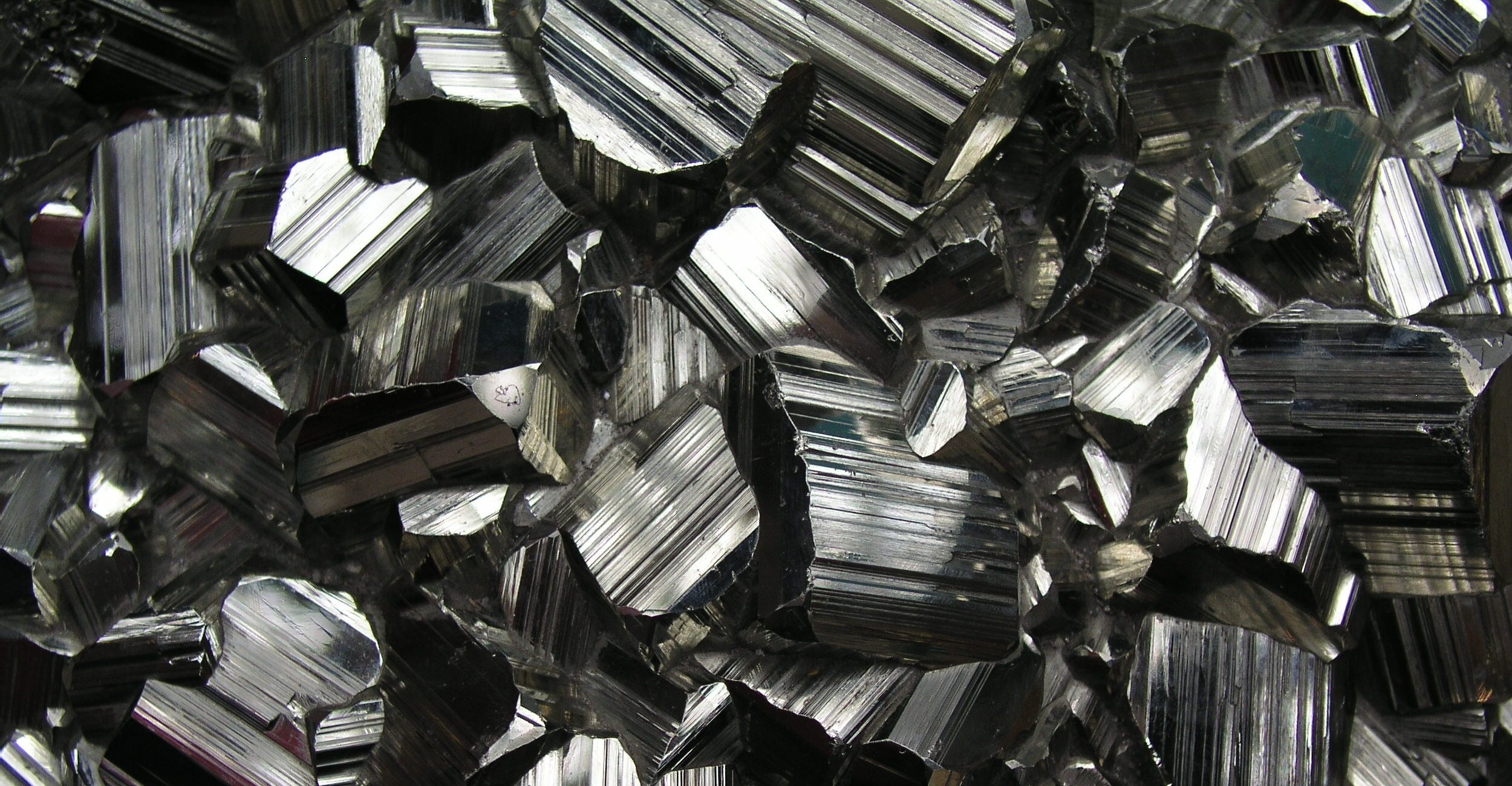
Nickel ore is a naturally occurring mineral deposit that contains economically recoverable amounts of nickel, often in association with other metals such as iron, sulfur, cobalt, and copper. It is generally found in two major geological forms: sulfide ores, including minerals like pentlandite and pyrrhotite, and laterite ores, which develop through the prolonged weathering of ultramafic rocks in tropical regions. The ore varies in composition and appearance depending on its origin and mineralogy. Mining operations for nickel ore are carried out through both open-pit and underground methods, involving drilling, blasting, and material transport. Once extracted, the ore is processed using techniques such as crushing, flotation, magnetic separation, and smelting to produce nickel concentrates or refined metal. Nickel derived from these processes plays a crucial role in modern industry. It is essential for the production of stainless steel and high-performance alloys, providing strength, durability, and resistance to corrosion. Additionally, nickel is a key component in battery manufacturing, particularly for electric vehicles, as well as in various industrial and chemical applications.
Copper ore is a naturally occurring mineral resource from which copper can be economically extracted. It is commonly associated with other elements such as sulfur, iron, and trace metals, appearing in forms that include sulfides like chalcopyrite, oxides such as cuprite, carbonates like malachite, and occasionally as native metallic copper. The ore varies in appearance, displaying colors from greenish-blue to reddish-brown or black depending on its mineral composition. Extraction is carried out through open-pit or underground mining operations, involving drilling, blasting, and hauling. Once mined, the ore is crushed and ground to release the copper-bearing minerals, which are then concentrated using froth flotation and other separation processes. The resulting concentrate is smelted and refined to produce high-purity copper metal. Copper obtained from this process is essential in modern industry, used extensively in electrical wiring, plumbing, construction, and machinery manufacturing. Processing of copper ore may also generate valuable by-products, including gold, silver, and molybdenum, enhancing its economic value.
Silver ore is a naturally occurring mineral formation that contains economically recoverable amounts of silver, often found in association with other valuable minerals. It typically includes varying proportions of quartz and sulfide minerals such as galena and argentite, and may also contain traces of gold. Silver can occur in several forms — as native metallic silver, as sulfide compounds combined with sulfur, or within complex polymetallic ores that host multiple metals in a single deposit. Mining operations for silver ore are conducted through both open-pit and underground methods, employing drilling, blasting, and hauling to extract the raw material. Once mined, the ore is processed through stages such as crushing, grinding, flotation, and chemical leaching — commonly with cyanide solutions — to recover and concentrate the silver-bearing minerals. The refined silver produced from these processes is used across a wide range of industries. It plays a critical role in metallurgy and manufacturing and is highly valued in the production of jewelry, silverware, electronic components, and specialized photographic and industrial applications.
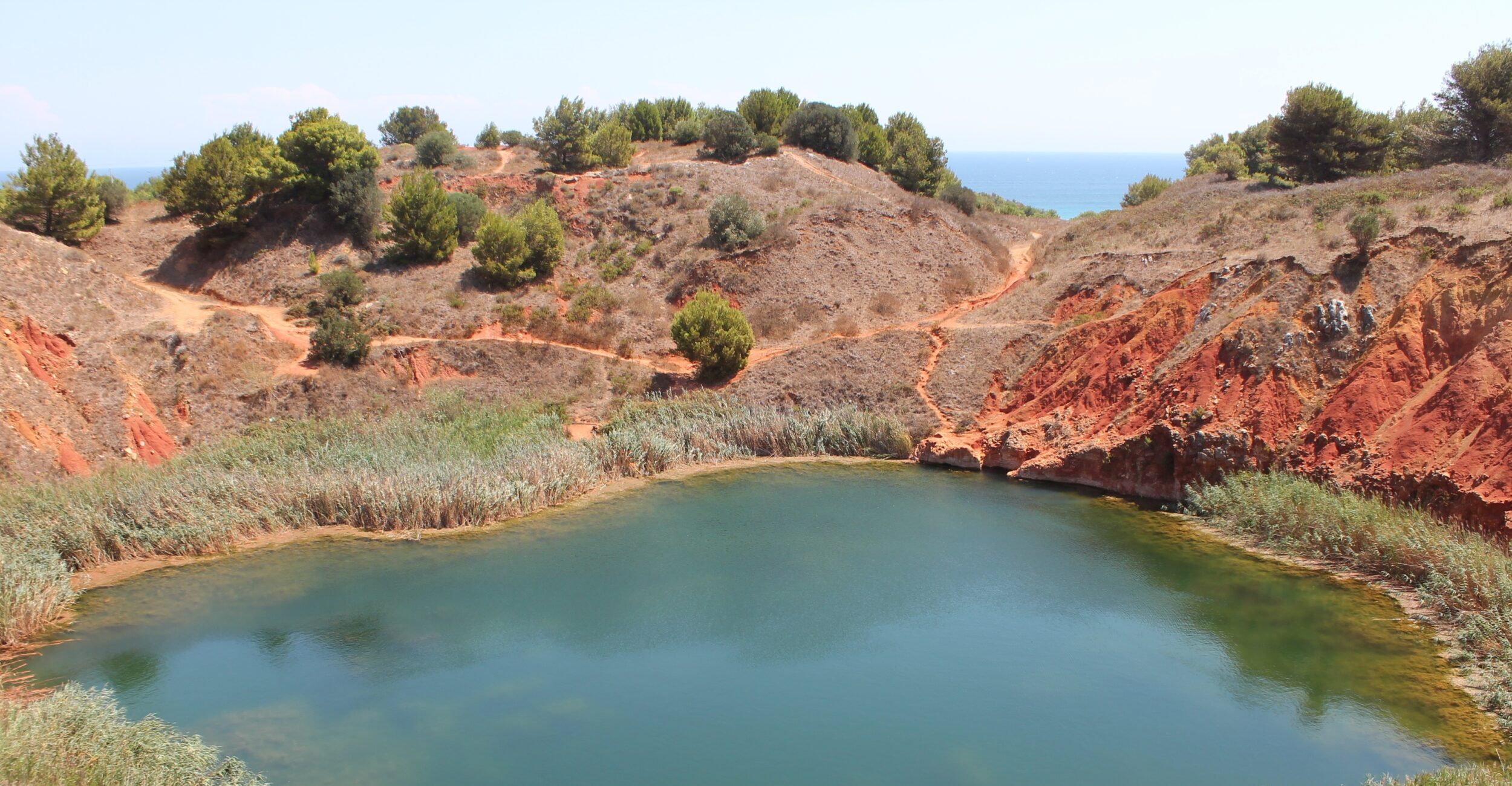
Bauxite is a sedimentary rock rich in aluminum-bearing minerals and is the main source of aluminum worldwide. It is composed primarily of aluminum hydroxides such as gibbsite, boehmite, and diaspore, mixed with iron oxides, silica, and other impurities that influence its reddish-brown to whitish color. Formed through intense weathering and leaching of aluminum-rich rocks in tropical and subtropical climates, bauxite deposits are typically found near the surface.It is mainly extracted through open-pit mining, then processed by washing, crushing, and refining to increase aluminum concentration. The Bayer process converts bauxite into alumina, which is then smelted into pure aluminum metal.Beyond aluminum, bauxite is used in refractories, ceramics, abrasives, and chemicals. Major producers include Australia, Guinea, China, Brazil, and India, making it a vital resource for the global aluminum industry.
Zinc ore is a naturally occurring mineral resource and the primary source of zinc, a versatile metallic element widely used across industries. The most common zinc-bearing mineral is sphalerite (zinc sulfide), which typically contains 60–62% zinc by weight. Other important zinc ores include smithsonite (zinc carbonate), hemimorphite (zinc silicate), and zincite (zinc oxide). Zinc deposits are often found alongside other metal ores such as lead, copper, silver, and iron, forming complex mineral assemblages. Extraction begins with underground or open-pit mining, followed by crushing, grinding, and froth flotation to separate zinc minerals from unwanted material. The concentrated zinc ore is then smelted and refined to produce high-purity zinc metal. Zinc plays a crucial role in galvanization, protecting steel from corrosion, and is also used in alloy production (such as brass), batteries, paints, and chemical manufacturing. Due to its durability and resistance to oxidation, zinc is an essential material in construction, automotive, and energy sectors, making it one of the most valuable base metals in modern industry.
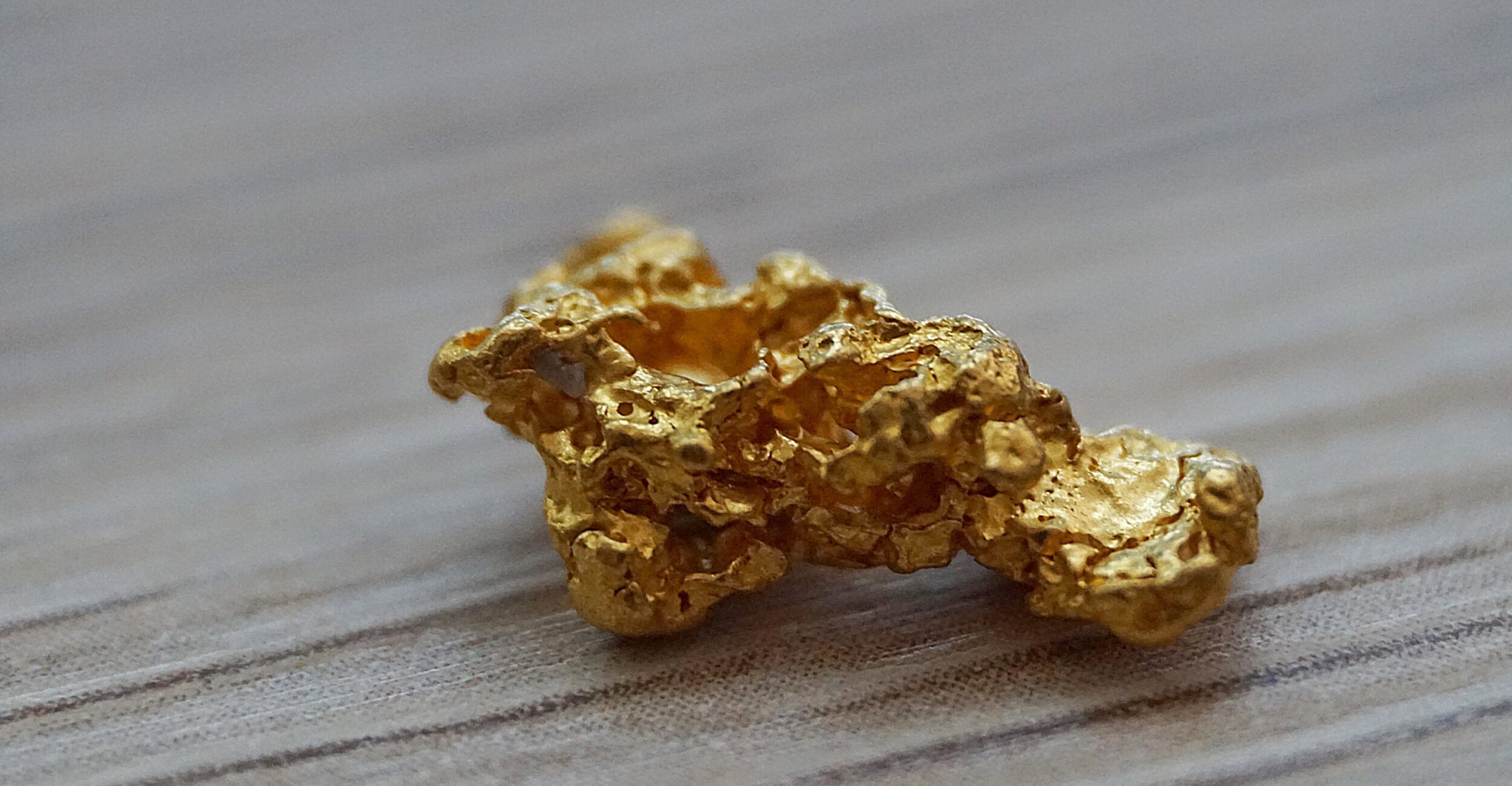
Gold ore is a naturally occurring material from which gold can be economically extracted. It is typically found in combination with minerals such as quartz, pyrite, and sulfides, with gold present either as native metal or within gold-bearing compounds. Depending on its formation, gold ore may appear as free-milling deposits, where gold particles can be easily separated through crushing and gravity recovery, as refractory ores that require flotation or cyanidation to release the metal, or as placer deposits formed through sedimentary concentration. Extraction methods vary from open-pit to underground mining, followed by a series of processing stages including crushing, grinding, separation, and refining to produce a gold-rich concentrate or bullion. We source and supply gold ore and concentrates through verified partners, ensuring consistent quality control, transparent specifications, and reliable logistics from origin to destination. Our operations emphasize efficiency, compliance, and integrity throughout every stage of the global trading process.
Ferroalloys
Ferroalloys are alloys of iron containing high proportions of elements such as manganese, silicon, chromium, or titanium. They are essential in steel and cast iron production, improving strength, durability, and corrosion resistance. Produced by smelting mixed ores in electric or blast furnaces, ferroalloys are vital to modern metallurgy and industrial manufacturing.
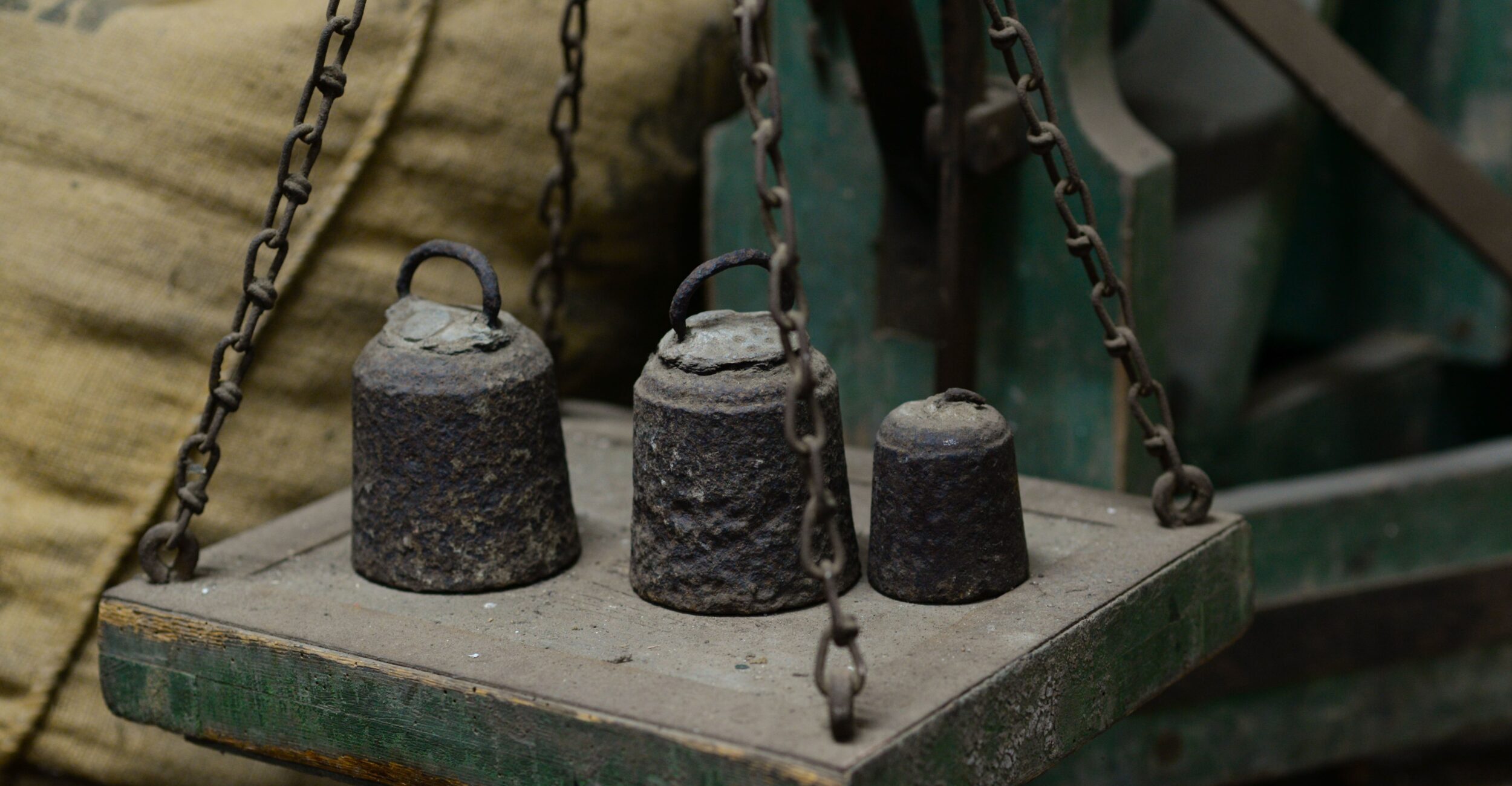

Lead ore is a naturally occurring mineral deposit and the primary source of lead, a dense and versatile metal with numerous industrial applications. The most common lead-bearing mineral is galena (lead sulfide), which contains around 86–87% lead by weight. Other important ores include cerussite (lead carbonate) and anglesite (lead sulfate). Lead deposits are often found together with zinc, silver, and copper ores, forming polymetallic veins or replacement deposits within sedimentary and igneous rocks. Extraction typically involves underground or open-pit mining, followed by crushing, grinding, and froth flotation to concentrate the lead-bearing minerals. The resulting concentrate is then smelted and refined to produce high-purity lead metal. During processing, valuable by-products such as silver and zinc are often recovered. Lead is primarily used in the production of lead-acid batteries, which remain essential for vehicles and backup power systems. It is also employed in radiation shielding, cables, alloys, and specialized glass. Due to its malleability, density, and corrosion resistance, lead continues to play a vital role in modern industry, despite strict environmental regulations governing its use.
Chrome ore is a naturally occurring mineral deposit and the primary source of chromium, a metal known for its strength, durability, and resistance to corrosion. The most common chrome-bearing mineral is chromite (FeCr₂O₄), composed of iron, chromium, and oxygen. Chromite deposits are typically found in layered igneous rock formations called chromitite seams, often associated with ultramafic and mafic rocks. Extraction of chrome ore generally involves open-pit or underground mining, followed by crushing, grinding, and concentration using gravity separation or flotation to produce high-grade chromite concentrate. The refined material is then used to extract metallic chromium or to produce ferrochrome, a key alloying element in steelmaking. Chromium derived from chrome ore plays a crucial role in several industries. It is a vital component in stainless steel production, where it enhances corrosion resistance and hardness. It is also used in refractory materials for high-temperature furnaces and in chemical manufacturing, where chromium compounds are applied in pigments, dyes, and electroplating. These properties make chrome ore indispensable in modern metallurgy and industrial manufacturing.
Vanadium ore is a naturally occurring mineral source used to extract vanadium, a metal valued for its strength, heat resistance, and chemical stability. Common vanadium-bearing minerals include vanadinite (Pb₅(VO₄)₃Cl), patronite (VS₄), and carnotite (K₂(UO₂)₂(VO₄)₂·3H₂O). However, most vanadium is derived from titaniferous magnetite, as well as certain shales and sandstones containing dispersed vanadium minerals. Extraction typically involves mining, crushing, and milling, followed by flotation, gravity, or magnetic separation to concentrate the vanadium-rich material. The concentrate is then roasted and leached to produce vanadium pentoxide (V₂O₅), a key intermediate used in metallurgical and chemical industries. Vanadium plays a crucial role in steel production, where it serves as an alloying element that enhances strength, toughness, and wear resistance. In the aerospace sector, vanadium alloys are prized for their high strength-to-weight ratio and heat tolerance. Additionally, vanadium is essential in energy storage technologies such as vanadium redox flow batteries (VRFBs) and in the chemical industry as a catalyst for producing sulfuric acid and other compounds.